
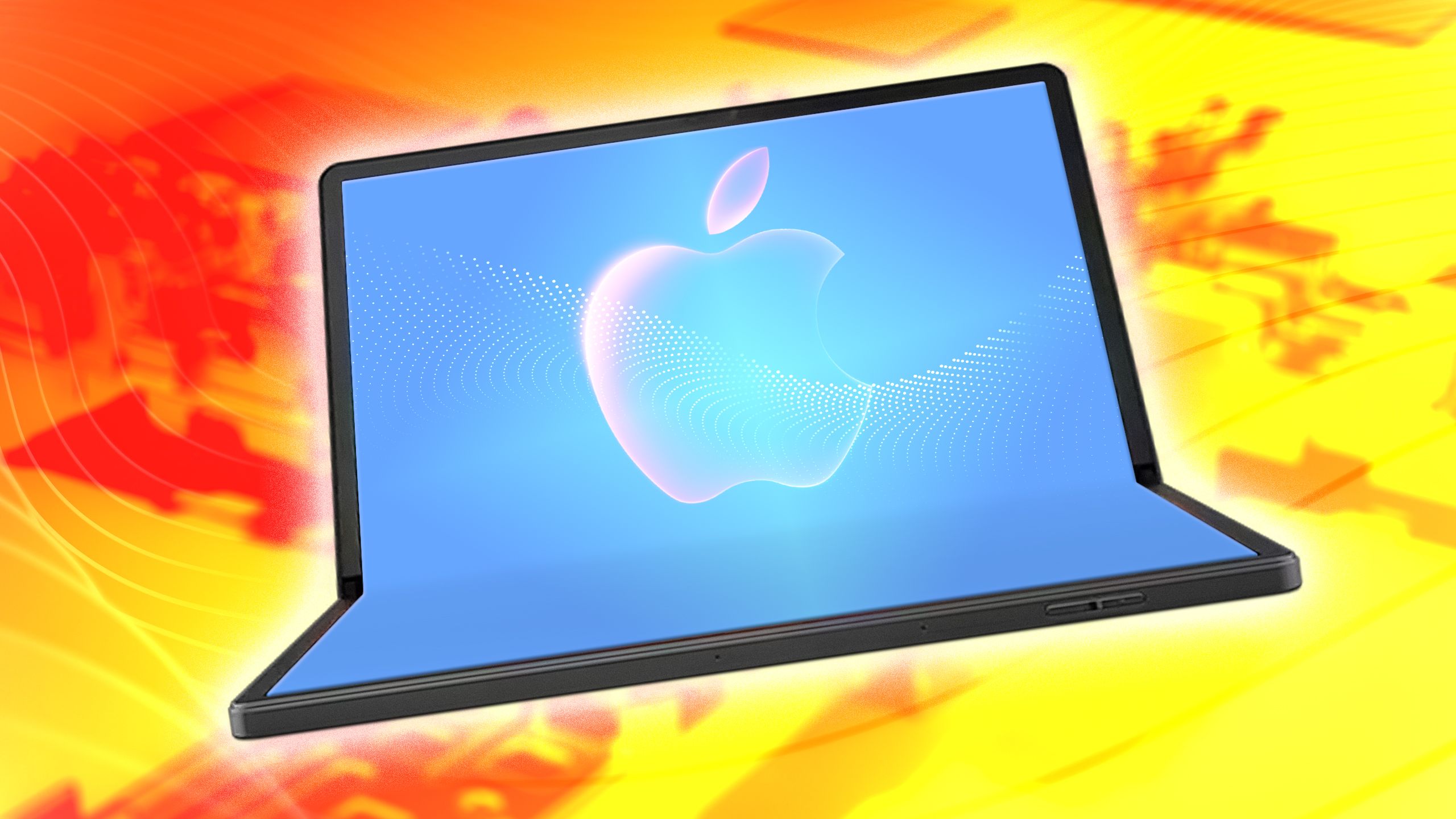
Apple's Foldable iPad: A Promising Concept with Major Challenges
Apple has reportedly delayed the development of a foldable iPad, citing challenges such as high production costs and manufacturing difficulties. This decision comes at a time when the market for foldable devices is still evolving, and Apple faces competition from other tech giants. The company may have to reconsider its approach in the future as technology advances and consumer demand shifts.
The Case for a Foldable iPad
A foldable iPad could offer several advantages. It would allow users to enjoy a larger display, potentially up to 16 inches, while still being compact enough to fit into a bag. This could open new possibilities for multitasking and app interfaces. For instance, users might be able to use the top and bottom halves of the device for different functions, such as keeping a software keyboard available while typing in a document.
However, the concept also presents significant challenges. Creasing and pockmarks on foldable screens remain an issue, even for established brands like Samsung. Apple would need to invest heavily in research and development to overcome these problems, which could drive up the cost of the device significantly.
The Challenges of a Foldable iPad
One of the main concerns is the price. A foldable iPad could easily exceed $2,000, making it a tough sell compared to traditional laptops or even high-end tablets. Additionally, the fragility of foldable devices is a major concern. Current iPads do not have official IP ratings for dust and water resistance, and a foldable model might be even more vulnerable due to the presence of a hinge.
The design of a foldable iPad also raises questions about user experience. While some features, such as partial folding for watching videos, might appeal to certain users, they may not add significant value for the average person. Typing on a software keyboard is often an unsatisfactory experience, and losing half the screen space could be inconvenient for many tasks.
Competition and Future Prospects
The potential release of a foldable iPhone in 2026 adds another layer of complexity. A foldable iPhone could capture more consumer interest than a foldable iPad, as it would serve multiple purposes, including phone calls, navigation, and texting. This could make the iPad seem less appealing for everyday use.
Despite these challenges, there are signs that Apple may eventually revive the foldable iPad project. As technology improves, the technical issues with foldable devices are likely to be resolved, which could reduce manufacturing costs and make the product more affordable. If Apple does not introduce a foldable tablet by 2030, it could face criticism for falling behind competitors in terms of innovation.
The Broader Implications
Apple’s decision to delay the foldable iPad reflects the broader challenges of bringing new technologies to market. While the company has a history of pushing boundaries, it must also consider the practicality and affordability of its products. The success of a foldable iPad will depend on Apple’s ability to address the technical and financial hurdles associated with this type of device.
Looking ahead, it’s possible that advancements in virtual reality and augmented reality could change the landscape of mobile computing. Devices like Apple’s Vision glasses and headsets could render traditional tablets obsolete, shifting the focus toward more immersive experiences. However, until then, the foldable iPad remains a concept worth exploring, albeit with significant challenges to overcome.